
How a Home Plumbing System Works (Knoxville Homeowner Guide)
Most homeowners don’t think about their plumbing—until something goes wrong.
But understanding how your plumbing system works can help you:
Catch problems early
Avoid costly repairs
Make better decisions for your home
Here’s a simple breakdown of how everything works together.
1. Water Supply System (Getting Water Into Your Home)
Your plumbing system starts with a water source:
City water supply or
Private well system
Water enters your home through a main line, passes through a water meter, and is distributed throughout your house.
2. Water Heater (Hot Water Supply)
Before reaching certain fixtures, water is heated.
Common types include:
Traditional tank water heaters
Electric or gas units
This is what provides hot water for:
Showers
Sinks
Appliances
3. Supply Lines (Moving Water Where It’s Needed)
Supply pipes carry water from the source to fixtures throughout your home.
These are typically made from:
PEX
Copper
PVC
They deliver clean water under pressure to every faucet and appliance.
4. Fixtures and Appliances (Where You Use Water)
This includes everything you interact with daily:
Sinks and faucets
Toilets
Showers and tubs
Dishwashers and washing machines
Each fixture is connected to both supply and drainage systems.
5. Drain System (Removing Wastewater)
Once water is used, it exits through the drain system.
Wastewater flows through drain pipes
Connects to your main sewer line
Leaves your home to a municipal sewer or septic system
This system relies on gravity—not pressure.
6. Vent Pipes (Keeping Everything Flowing Properly)
Plumbing vents allow air into the system.
This prevents:
Slow draining
Gurgling sounds
Sewer gases entering your home
These pipes typically extend through your roof.
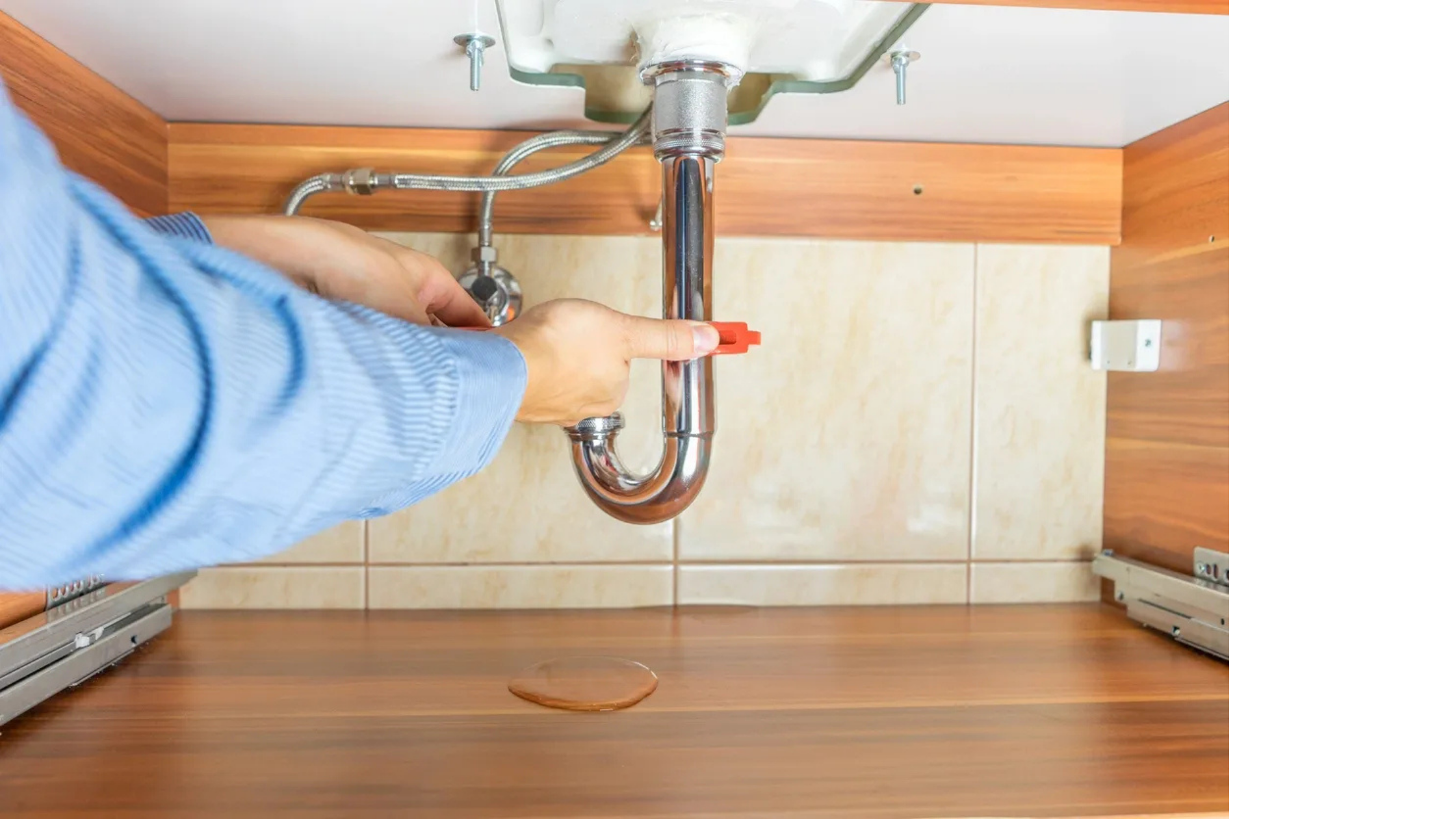
7. Traps and Cleanouts (Protection and Access)
Traps
Located under sinks and fixtures
Hold water to block sewer gases
Cleanouts
Access points for clearing clogs
Allow plumbers to service your system efficiently
Why This Matters for Homeowners
When one part of the system fails, it affects everything.
Understanding the basics helps you recognize:
Early warning signs
Where problems may be coming from
When to call a professional
Common Signs Something Isn’t Working Right
Watch for:
Slow drains
Low water pressure
Unusual noises in pipes
Water stains or leaks
Sewer odors
These often point to issues within the system.
Why Regular Maintenance Matters
Routine plumbing checks help:
Prevent major repairs
Extend system lifespan
Improve efficiency
Reduce water waste
Most problems start small—maintenance catches them early.
Need Help With Your Plumbing System in Knoxville, TN?
Friendly Neighborhood Plumber helps homeowners understand, maintain, and repair their plumbing systems with honest, reliable service.
Call or text 865-443-7617
Visit 865FNP.com
Plumbing System Questions Knoxville Homeowners Ask
How does a home plumbing system work?
It brings clean water into your home through supply lines and removes wastewater through a drain system.
What are the main parts of a plumbing system?
Water supply, water heater, fixtures, drain system, vents, and traps.
Why are plumbing vents important?
They allow air into the system so water can drain properly and prevent sewer odors.
What causes most plumbing problems?
Clogs, leaks, pressure issues, and worn-out components.
Who can inspect my plumbing system in Knoxville, TN?
Friendly Neighborhood Plumber provides inspections, repairs, and maintenance throughout Knoxville and surrounding areas.
