
How to Prevent Frozen Pipes in Winter (Knoxville Homeowner Guide)
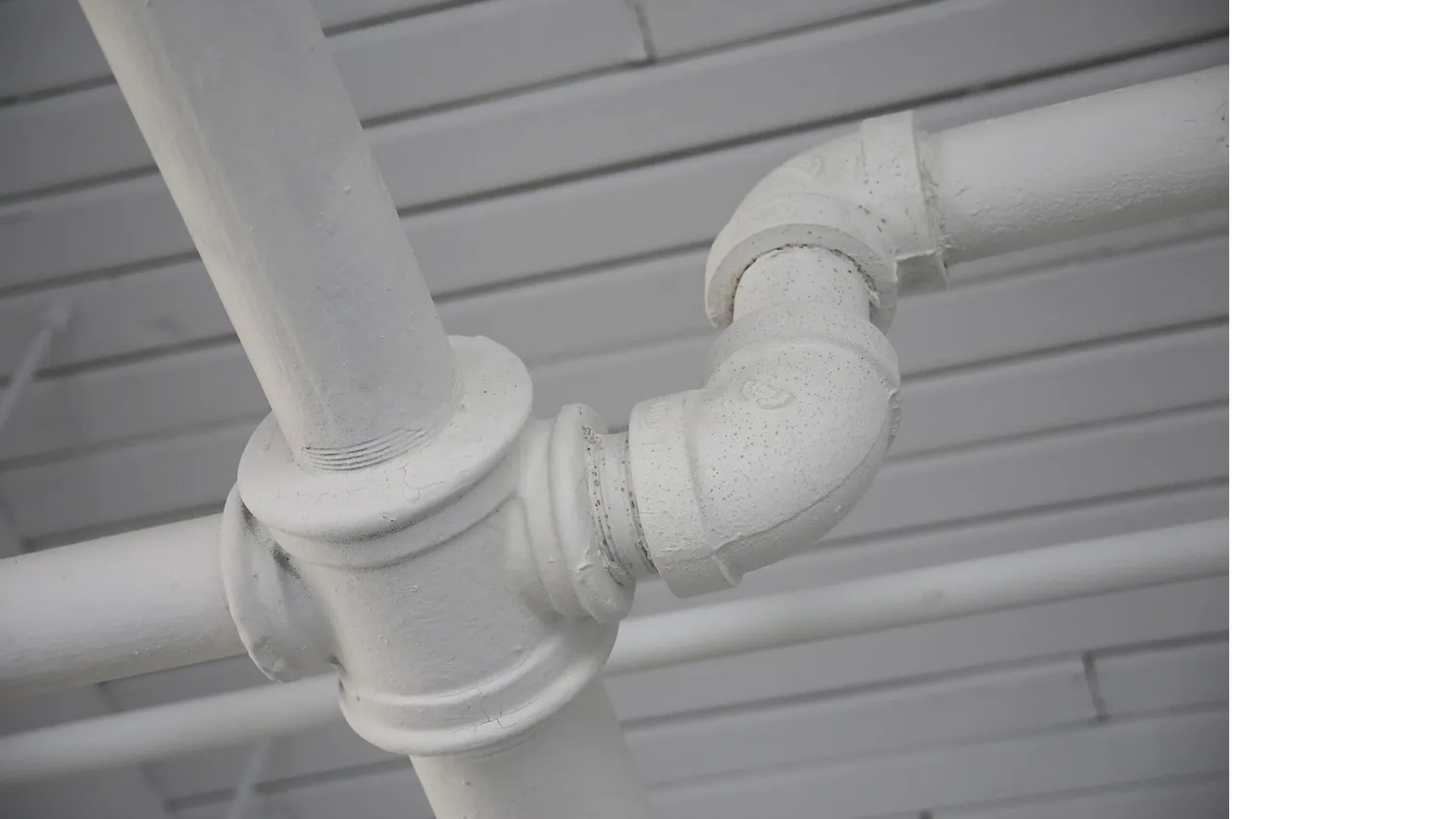
Frozen pipes are one of the most common winter plumbing problems—and one of the most expensive if they burst.
The good news? Most frozen pipes can be prevented with a few simple steps.
If you live in Knoxville or surrounding areas, here’s how to protect your home before temperatures drop.
Why Pipes Freeze
Pipes freeze when:
Temperatures drop below 32°F
Water sits still inside the pipe
Pipes are exposed to cold air
When water freezes, it expands—putting pressure on the pipe until it cracks or bursts.
How to Prevent Frozen Pipes
1. Insulate Exposed Pipes
Start with the most vulnerable areas:
Crawl spaces
Basements
Garages
Exterior walls
Use foam pipe insulation or heat tape to keep pipes protected.
2. Let Faucets Drip During Freezing Weather
When temperatures drop:
Let faucets drip slightly
Keep water moving through the system
This reduces pressure and helps prevent freezing.
3. Keep Your Home Warm (Even When You’re Away)
Never turn your heat completely off in winter.
Keep your thermostat set to at least 55°F
Open cabinet doors under sinks to let warm air circulate
4. Seal Gaps and Drafts
Cold air entering your home increases risk.
Check for openings around:
Windows and doors
Pipe entry points
Crawl spaces
Seal them to keep warm air in and cold air out.
5. Disconnect and Drain Outdoor Water Lines
Before freezing weather:
Remove garden hoses
Shut off outdoor water supply (if available)
Drain any remaining water
This protects exterior pipes from freezing and cracking.
Warning Signs of a Frozen Pipe
Call a plumber if you notice:
Little or no water flow
Frost on exposed pipes
Strange smells from drains
Bulging pipes
These are early signs that a pipe may be frozen or close to bursting.
What to Do If a Pipe Freezes
Turn off the main water supply
Avoid using open flames to thaw pipes
Call a professional if you’re unsure
Acting quickly can prevent major damage.
Why This Matters for Knoxville Homes
Knoxville winters can shift quickly—from mild to freezing overnight.
That sudden temperature drop is what causes most pipe damage.
A little preparation now can prevent:
Burst pipes
Water damage
Emergency repairs
Need Help Winterizing Your Plumbing?
Friendly Neighborhood Plumber helps homeowners across Knoxville prepare for cold weather and avoid plumbing emergencies.
Call or text 865-443-7617
Visit 865FNP.com
Frozen Pipe Questions Knoxville Homeowners Ask
At what temperature do pipes freeze?
Pipes can begin freezing at 32°F, especially if exposed and uninsulated.
Should I leave faucets dripping in winter?
Yes, during freezing temperatures. Moving water helps prevent freezing.
What pipes are most likely to freeze?
Pipes in crawl spaces, garages, and exterior walls are most at risk.
Can frozen pipes burst?
Yes. Pressure buildup inside frozen pipes can cause them to crack or burst.
Who fixes frozen pipes in Knoxville, TN?
Friendly Neighborhood Plumber provides repair and emergency services throughout Knoxville and surrounding areas.
