
What Counts as a Plumbing Emergency? A Knoxville Homeowner’s Guide
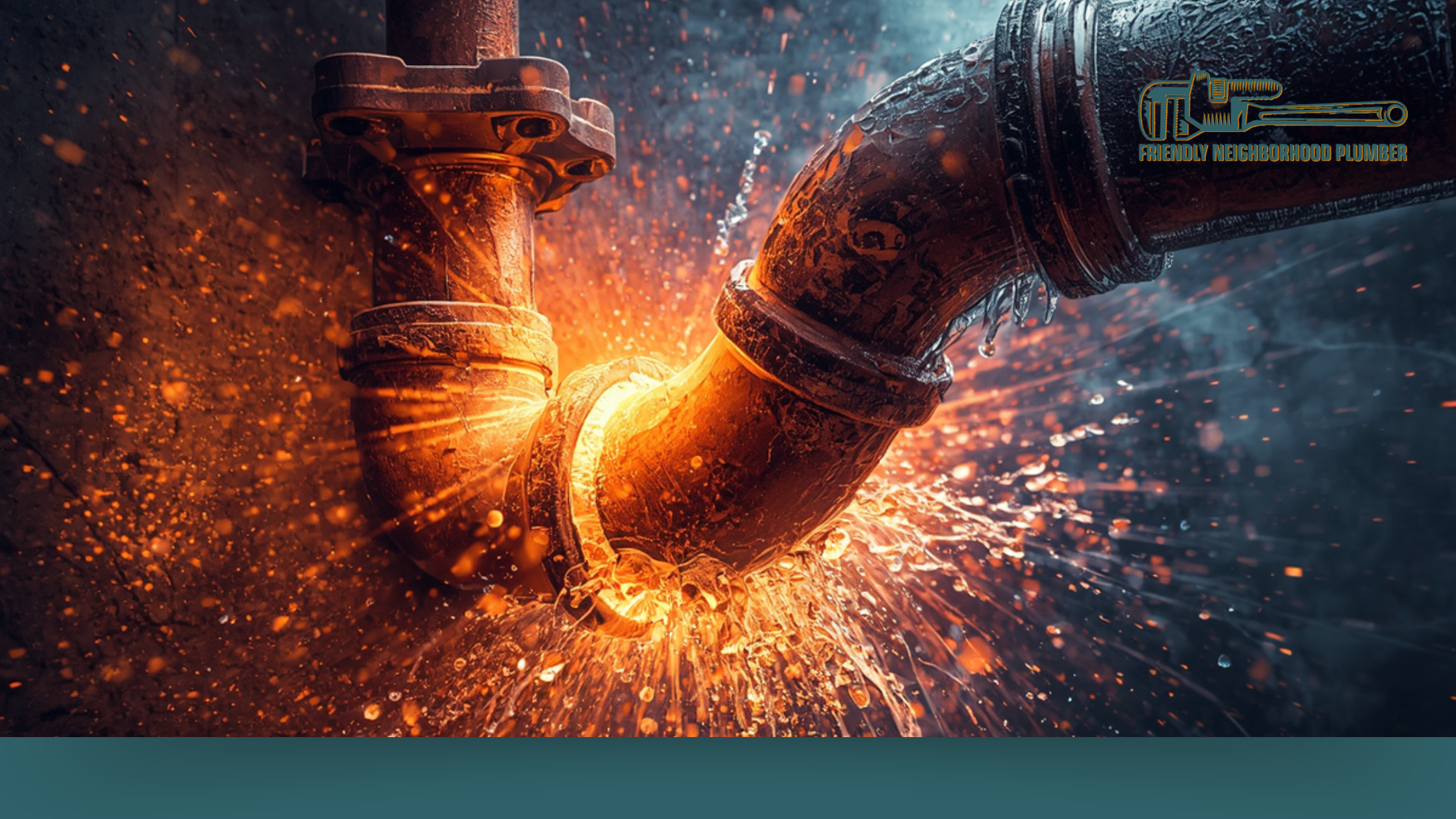
A plumbing emergency is any plumbing problem that can cause water damage, create a health risk, stop essential household function, or get worse quickly without repair.
For Knoxville homeowners, plumbing emergencies can feel stressful because they often happen without much warning. A burst pipe, sewer backup, overflowing toilet, major leak, or leaking water heater can create damage fast if the issue is not handled quickly.
Friendly Neighborhood Plumber helps Knoxville homeowners with urgent plumbing issues, leaks, clogs, water heater problems, and everyday plumbing repairs.
Quick Answer: Common Plumbing Emergencies
Common plumbing emergencies include:
Burst pipes
Major water leaks
Sewer backups
Overflowing toilets
No working water in the home
Active water heater leaks
Flooding from a plumbing fixture
Plumbing problems that may cause water damage or safety concerns
If water is actively leaking, sewage is backing up, or you cannot safely use an important plumbing fixture, it is best to call a plumber.
What Makes a Plumbing Problem an Emergency?
A plumbing problem becomes an emergency when it creates immediate risk for your home, health, or safety.
This usually includes situations where water is spreading, sewage is present, a fixture will not stop overflowing, or the issue prevents your household from using basic plumbing.
A dripping faucet may be annoying, but it is usually not an emergency. A burst pipe soaking drywall, flooring, or cabinets needs faster attention.
The biggest question to ask is this:
Can this plumbing issue cause damage, create a health concern, or get worse quickly if I wait?
If the answer is yes, treat it as urgent.
Burst Pipes
A burst pipe is one of the most serious plumbing emergencies because it can release a large amount of water into your home quickly.
Signs of a burst pipe may include:
Water spreading across the floor
Sudden loss of water pressure
Water stains on walls or ceilings
The sound of running water when fixtures are off
Wet drywall, flooring, or cabinets
Standing water near plumbing lines
If you suspect a burst pipe, shut off the main water supply if you can do so safely. Then call a plumber for help.
Major Water Leaks
Not every leak is an emergency, but a major active leak should be handled quickly.
A leak may be urgent if:
Water is spreading
Cabinets, floors, ceilings, or walls are getting wet
The leak is near electrical outlets or appliances
You cannot stop the water
The leak is coming from a water heater, pipe, toilet, or supply line
Even a small leak can become a bigger problem if it is ignored. If water is actively damaging your home, call a plumber.
Sewer Backups
A sewer backup should be treated as an emergency because it can create a health and sanitation concern.
Signs of a possible sewer backup include:
Sewage coming up into a tub, shower, toilet, or floor drain
Strong sewer smells
Multiple drains backing up at once
Gurgling toilets
Water backing up when another fixture is used
Avoid using sinks, toilets, showers, washing machines, or other plumbing fixtures if you suspect a sewer backup. Continued use can make the backup worse.
Overflowing Toilets
An overflowing toilet may be a plumbing emergency if the water will not stop, sewage is involved, or the toilet is the only working bathroom in the home.
If your toilet starts overflowing:
Stop using the toilet.
Turn off the toilet’s water supply valve if possible.
Avoid flushing again.
Clean up standing water if it is safe.
Call a plumber if the clog does not clear or the toilet continues overflowing.
If the toilet overflow is connected to a larger drain or sewer issue, plunging may not solve the problem.
Active Water Heater Leaks
A leaking water heater can cause water damage and may point to a serious issue with the tank or plumbing connections.
Signs of a water heater emergency may include:
Water pooling around the water heater
Rusty water
Strange popping or rumbling sounds
Hot water suddenly stopping
Water leaking from the tank
A water heater that appears swollen, rusted, or damaged
If the tank itself is leaking, repair may not be possible. A plumber can inspect the unit and help determine the safest next step.
No Working Water in the Home
If your home has no working water, it may be an emergency depending on the cause.
No water can affect bathing, cooking, cleaning, flushing toilets, and basic household function. The issue may be connected to a plumbing line, shutoff valve, water service problem, or other system failure.
Before calling a plumber, check whether the issue is isolated to one fixture or affecting the whole home. If the entire home has no water and there is no known utility outage, it is time to get help.
What Should You Do Before the Plumber Arrives?
If you are dealing with a plumbing emergency, a few simple steps can help reduce damage while you wait for help.
1. Shut Off the Water If Possible
If water is actively leaking, shut off the nearest fixture valve or the home’s main water shutoff valve.
Common shutoff locations include:
Behind the toilet
Under the sink
Near the water heater
In a basement, crawl space, garage, or utility area
Near the water meter
Knowing where your main shutoff valve is before an emergency happens can save time and reduce damage.
2. Turn Off Power Near Standing Water
Water and electricity are a dangerous combination.
If there is standing water near outlets, appliances, cords, or electrical panels, do not step into the water. Turn off power only if you can do so safely.
If you are unsure, stay away from the area and contact the proper professional.
3. Stop Using Affected Fixtures
If you suspect a sewer backup, major clog, or drain issue, stop using plumbing fixtures until the problem is checked.
Running more water can make a backup worse.
4. Move Belongings Away From Water
If it is safe, move furniture, rugs, storage bins, and valuables away from the leak or affected area.
This can help reduce damage while the plumbing issue is being handled.
5. Take Photos for Your Records
If water damage has already happened, take photos or videos before cleaning up.
This may be helpful for your own records or insurance documentation.
Plumbing Problems That Are Not Always Emergencies
Some plumbing problems need repair but may not require emergency service.
These may include:
A slow drain with no backup
A dripping faucet
A running toilet that is not overflowing
Minor low water pressure at one fixture
A small leak contained in a bucket
Cosmetic fixture issues
A toilet clog when another bathroom is available
Even when an issue is not an emergency, it should not be ignored forever. Small plumbing problems can become larger repairs if they continue.
When Should Knoxville Homeowners Call an Emergency Plumber?
Knoxville homeowners should call an emergency plumber when a plumbing issue is actively leaking, causing flooding, backing up sewage, preventing access to water, or creating a safety concern.
You should also call a plumber if you are unsure whether the issue is safe to wait on.
It is better to ask for guidance early than to wait until water damage spreads.
Who Offers Emergency Plumbing Help in Knoxville, TN?
Friendly Neighborhood Plumber helps Knoxville homeowners with urgent plumbing issues, including leaks, clogs, water heater problems, drain backups, and plumbing repairs that need prompt attention.
If you are dealing with a plumbing issue that may cause damage or become worse quickly, Friendly Neighborhood Plumber can help you understand the next best step.
Frequently Asked Questions About Plumbing Emergencies
Is a leaking pipe always an emergency?
A leaking pipe is an emergency if water is actively spreading, damaging your home, affecting walls or ceilings, or cannot be stopped.
A small contained drip may not be urgent, but it should still be repaired before it gets worse.
Is a clogged toilet a plumbing emergency?
A clogged toilet may be an emergency if it is overflowing, sewage is present, the clog will not clear, or it is the only working toilet in the home.
If multiple drains are also backing up, the issue may be connected to the main line.
What should I do if my water heater is leaking?
If your water heater is leaking, turn off the water supply to the unit if you can do so safely. Avoid touching electrical components or standing water near power.
Then call a plumber to inspect the water heater and determine whether repair or replacement is needed.
Should I turn off my water during a plumbing emergency?
Yes, if water is actively leaking or flooding your home, turn off the nearest shutoff valve or the main water supply if you can do so safely.
This can help reduce damage while you wait for a plumber.
Can a slow drain become an emergency?
A slow drain is not always an emergency, but it can become urgent if water starts backing up, multiple drains are affected, sewage is present, or the drain stops working completely.
Recurring slow drains should be checked before they become a larger plumbing issue.
What if I am not sure whether my plumbing issue is urgent?
If you are not sure whether your plumbing issue is urgent, look for signs of active water damage, sewage, flooding, loss of water, or safety concerns.
When in doubt, contact a plumber and explain what is happening so they can help you decide what to do next.
Need Emergency Plumbing Help in Knoxville?
If you are dealing with a burst pipe, major leak, sewer backup, overflowing toilet, leaking water heater, or another urgent plumbing issue, Friendly Neighborhood Plumber can help.
Friendly Neighborhood Plumber provides honest local plumbing help for Knoxville homeowners who need clear guidance and dependable repair service.
Contact Friendly Neighborhood Plumber today for local plumbing help in Knoxville, TN.
