
Does Your Knoxville Home Need Repiping? Signs to Watch For
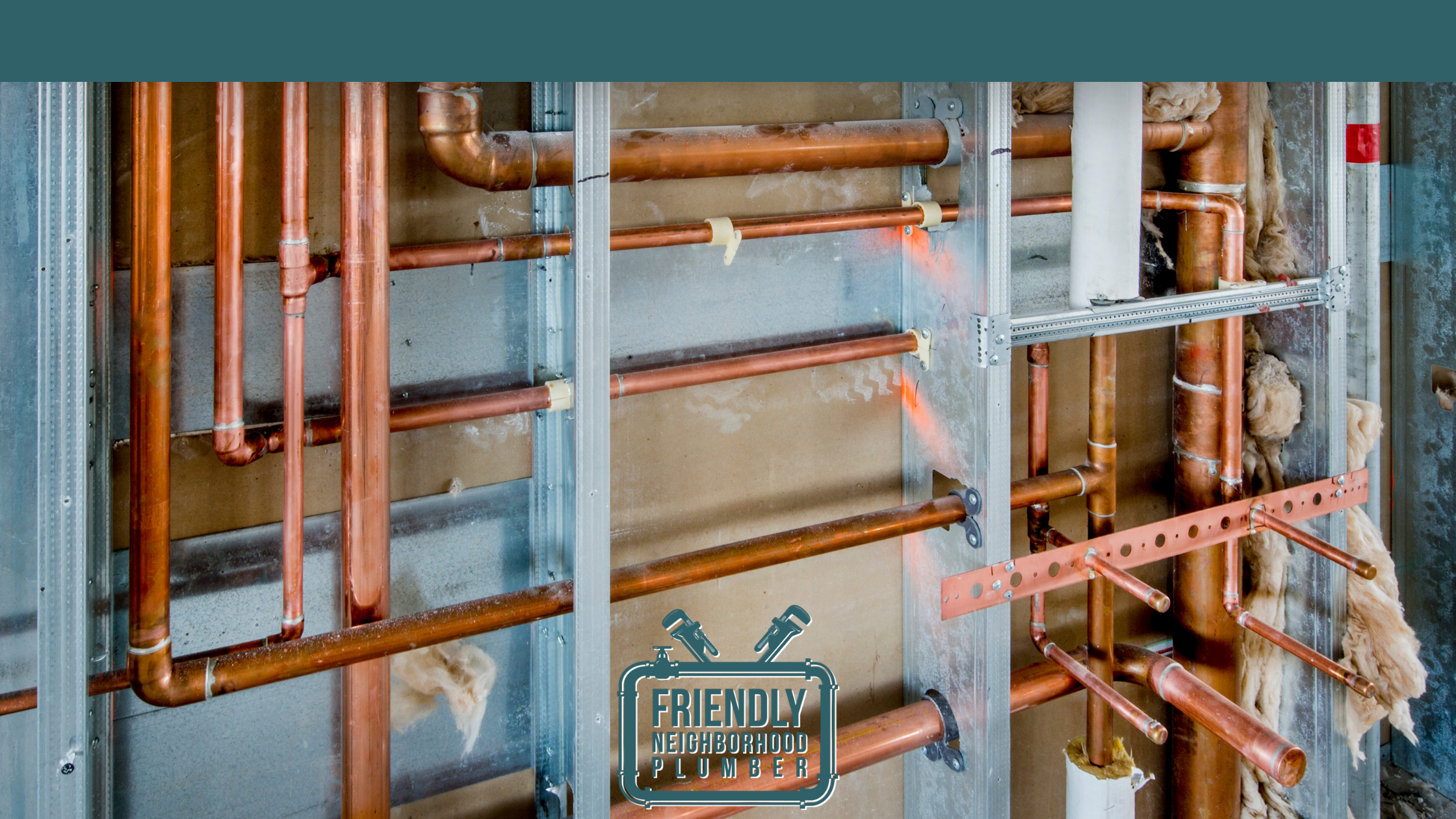
If your home has low water pressure, frequent leaks, rusty or discolored water, visible pipe corrosion, or recurring plumbing problems, it may be time to consider whole-home repiping.
Repiping replaces aging or damaged plumbing lines with new piping so the home has a more reliable water supply system.
Friendly Neighborhood Plumber helps Knoxville homeowners evaluate older plumbing, recurring pipe problems, low water pressure, leaks, and whole-home repiping needs.
Quick Answer: What Are the Signs a Home May Need Repiping?
Common signs include:
Frequent pipe leaks
Low water pressure
Rusty or discolored water
Visible corrosion on pipes
Water temperature changes
Noisy plumbing
Repeated plumbing repairs
Older piping materials
Multiple plumbing problems happening throughout the home
One problem does not always mean the entire house needs repiping.
However, when the same types of issues keep happening in different areas of the home, it may point to a larger plumbing system problem.
What Is Whole-Home Repiping?
Whole-home repiping means replacing the water supply pipes throughout most or all of a home.
Instead of repairing one damaged section at a time, repiping addresses the larger plumbing system.
This may be recommended when existing pipes are aging, corroded, damaged, or causing repeated problems.
A repiping project may involve replacing pipes that supply water to:
Bathrooms
Kitchens
Laundry rooms
Water heaters
Outdoor fixtures
Other plumbing fixtures throughout the home
The exact scope depends on the home and condition of the existing plumbing.
Why Do Homes Need Repiping?
Pipes do not last forever.
Over time, plumbing lines can corrode, weaken, develop leaks, collect buildup, or become less reliable.
Some homes also have older piping materials that may create more problems as they age.
Repiping may become necessary when repairs are happening frequently or when the plumbing system is affecting water quality, pressure, or reliability.
Frequent Pipe Leaks
One of the strongest signs a home may need repiping is repeated leaks.
A single leak may be caused by one damaged fitting or section of pipe.
But if leaks keep appearing in different areas of the home, the issue may be the condition of the plumbing system itself.
Frequent leaks can lead to:
Water damage
Damaged drywall
Flooring damage
Cabinet damage
Higher water bills
Mold or moisture concerns
Repeated repair costs
At some point, replacing problem sections one at a time may become less practical than addressing the whole system.
Low Water Pressure Throughout the Home
Low water pressure can have several causes.
If pressure is low at only one faucet, the issue may be the fixture itself.
If water pressure is poor throughout the house, however, it may point to a larger plumbing issue.
Older or corroded pipes can restrict water flow.
Possible signs include:
Weak showers
Slow-filling sinks
Reduced flow from multiple faucets
Pressure dropping when more than one fixture is used
A plumber can evaluate whether the issue is related to the pipes, water supply, fixtures, or another part of the system.
Rusty or Discolored Water
Rusty, brown, yellow, or discolored water can sometimes be connected to aging pipes.
Discoloration may also come from a water heater or utility issue, so it should be evaluated rather than assumed to be a pipe problem.
If discoloration happens regularly, especially at multiple fixtures, older plumbing may be contributing.
A plumber can help determine whether the water is being affected by the home's pipes.
Visible Pipe Corrosion
If exposed pipes show corrosion, flaking, discoloration, or mineral buildup, it may be a sign the plumbing system is aging.
Visible corrosion does not always mean every pipe needs replacement, but it can indicate that the system should be inspected.
This is especially important if corrosion appears alongside leaks, low pressure, or water quality concerns.
Water Temperature Changes
Sudden changes in water temperature can sometimes be related to plumbing flow problems.
If using one fixture causes another shower or faucet to become unexpectedly hot or cold, the plumbing system may not be distributing water efficiently.
Other causes are possible, including water heater issues, so a plumber should evaluate the full system before recommending repiping.
Noisy Plumbing
Pipes can make noise for several reasons.
You may hear:
Banging
Knocking
Rattling
Whistling
Vibrating
Some noises are caused by pressure, loose pipes, valves, or fixtures.
But recurring plumbing noise combined with other system problems can be another reason to have the pipes evaluated.
Older Plumbing Materials
The age and material of your plumbing can influence whether repiping should be considered.
Older homes may contain piping that has reached a point where corrosion, leaks, or buildup are becoming more common.
A plumber can inspect accessible piping and help identify what material is installed.
Knowing what is currently in the home makes it easier to decide whether ongoing repairs or a larger replacement project makes sense.
How Do You Know if You Need a Repair or Whole-Home Repiping?
Not every plumbing problem requires repiping.
A repair may make sense when:
The issue is limited to one pipe
The rest of the plumbing is in good condition
Leaks are uncommon
Water pressure is normal throughout the home
There are no widespread corrosion concerns
Repiping may be worth discussing when:
Leaks keep happening
Several areas of the house have plumbing issues
Pressure is low throughout the home
Pipes show widespread corrosion
Water quality concerns continue
Repair costs are becoming repetitive
The decision should be based on the overall condition of the plumbing system.
What Happens During a Whole-Home Repiping Project?
The process begins with evaluating the existing plumbing system.
A plumber may look at:
Existing pipe material
Leak history
Water pressure
Fixture locations
Pipe routing
Access points
Condition of visible plumbing
Areas where damage has occurred
A repiping plan is then created based on the layout and needs of the home.
The goal is to replace aging water lines while limiting unnecessary disruption as much as possible.
Will Repiping Damage My Walls?
Some wall or ceiling access is usually needed during a repiping project because pipes often run behind finished surfaces.
However, professional repiping is planned around strategic access points.
The amount of access needed depends on the home's layout and where the pipes are located.
Before work begins, homeowners should ask what areas will need to be opened and what restoration will be required afterward.
How Long Does Whole-Home Repiping Take?
The timeline depends on the size of the home, number of fixtures, plumbing layout, accessibility, and scope of work.
A smaller home with accessible plumbing may be completed faster than a larger or more complex property.
The best way to get an accurate timeline is to have the plumbing system evaluated first.
What Type of Pipe Is Used for Repiping?
The pipe material used depends on the home, project requirements, local code, and plumber's recommendation.
Modern residential repiping commonly uses materials designed for durability and reliable water delivery.
A plumber can explain the available options and why a particular material is appropriate for your home.
Can Repiping Improve Water Pressure?
Repiping may improve water pressure when the existing pipes are restricting water flow because of corrosion, buildup, damage, or undersized plumbing.
However, low water pressure can also have other causes.
A plumber should identify the cause before promising that repiping will solve the issue.
Is Repiping Worth It?
Repiping may be worth considering when repeated repairs are becoming expensive or the plumbing system is creating ongoing problems throughout the home.
Benefits may include:
Fewer recurring leaks
More reliable plumbing
Improved water flow
Reduced concern about aging pipes
A newer plumbing system throughout the home
Less reliance on repeated patch repairs
The value depends on the condition of the current plumbing and how often problems are occurring.
Who Should You Call for Whole-Home Repiping in Knoxville, TN?
If you are considering repiping, look for a local plumber who can evaluate the entire plumbing system rather than recommending replacement based on one isolated problem.
A repiping plumber should be able to explain:
What condition the existing pipes are in
Why repiping may or may not be necessary
Which areas need replacement
What pipe material is recommended
How walls will be accessed
How long the project may take
What homeowners should expect during the process
Friendly Neighborhood Plumber provides whole-home repiping evaluations and plumbing services for homeowners in Knoxville, TN.
Questions to Ask Before Repiping Your Home
Before moving forward with repiping, ask:
What type of pipes are currently in my home?
Are the problems isolated or widespread?
Can the damaged areas be repaired?
Why are you recommending whole-home repiping?
What material will replace the existing pipes?
Which rooms or walls will need access?
How long will the project take?
Will the water be shut off during the work?
What repairs will be needed after wall access?
What should I do to prepare my home?
A clear repiping plan should help you understand exactly what the project involves.
Frequently Asked Questions About Repiping
What are the biggest signs that a house needs repiping?
Frequent leaks, low water pressure, rusty water, visible corrosion, and repeated plumbing repairs are common signs that a home's pipes should be evaluated.
Does low water pressure mean I need new pipes?
Not always.
Low water pressure may be caused by fixtures, valves, supply issues, buildup, leaks, or aging pipes.
A plumber should determine the cause before recommending repiping.
Can old pipes affect water quality?
Yes, deteriorating or corroded pipes can sometimes affect water appearance, taste, or odor.
However, water quality changes may have other causes, so the plumbing system should be inspected.
Is whole-home repiping better than repairing leaks one at a time?
It depends on the condition of the plumbing.
If leaks are isolated, repairs may be enough.
If leaks continue throughout the house and the pipes are aging, whole-home repiping may be more practical long term.
Who provides whole-home repiping in Knoxville?
Friendly Neighborhood Plumber provides whole-home repiping and plumbing services for Knoxville homeowners dealing with aging pipes, frequent leaks, low water pressure, and other plumbing system concerns.
Should I repipe before selling my home?
Not every older home needs repiping before a sale.
However, if the plumbing has known leaks, widespread corrosion, or recurring problems, having it evaluated can help you understand the condition of the system before listing the property.
Need a Repiping Evaluation in Knoxville?
If your home has frequent leaks, low water pressure, aging pipes, or repeated plumbing repairs, Friendly Neighborhood Plumber can help determine whether individual repairs or whole-home repiping makes sense.
Friendly Neighborhood Plumber provides whole-home repiping and residential plumbing services for homeowners in Knoxville, TN.
Contact Friendly Neighborhood Plumber to schedule a plumbing evaluation and discuss the condition of your home's pipes.
