
Fall Plumbing Checklist for Knoxville, TN Homeowners
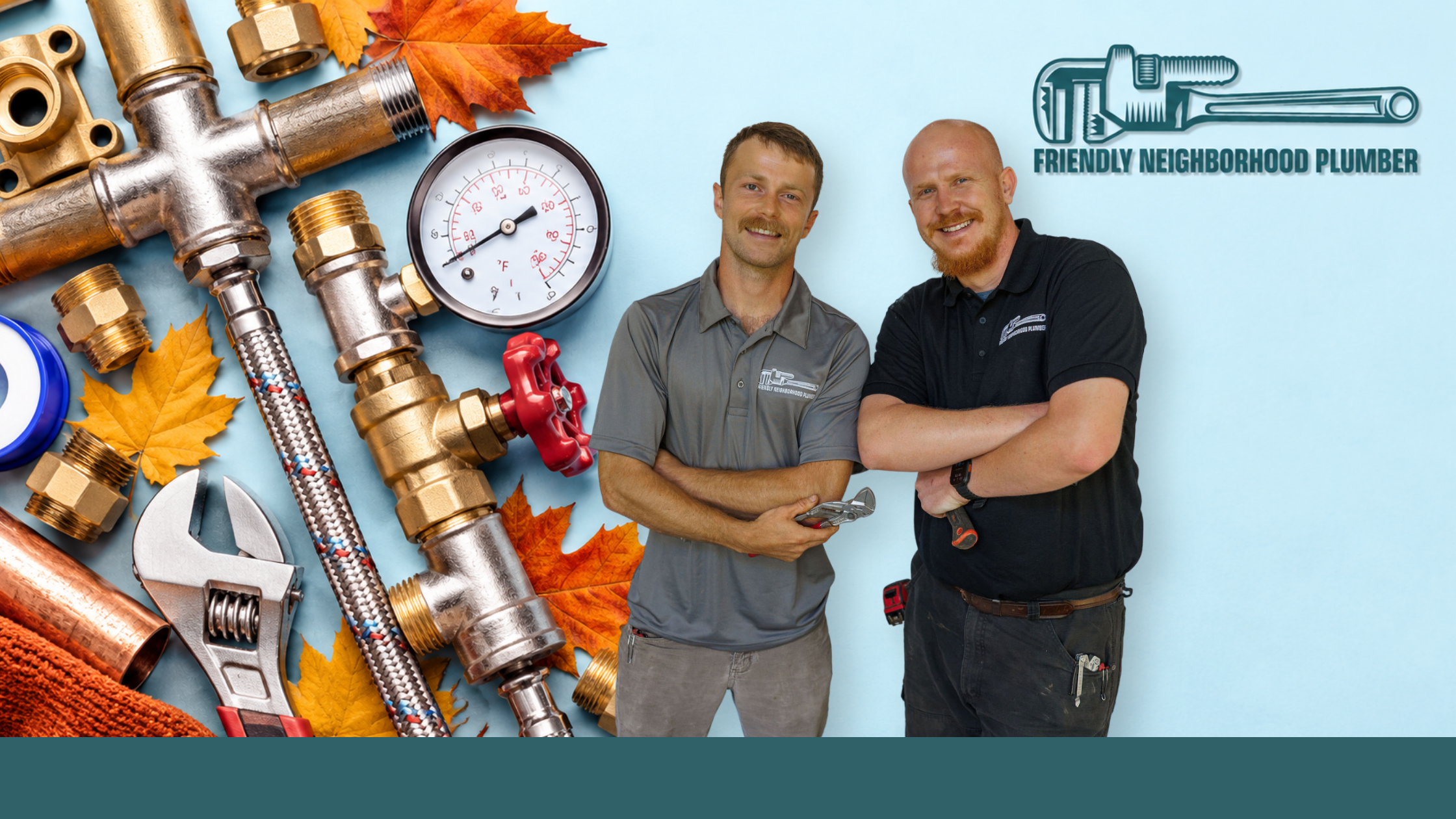
Fall is a good time for Knoxville homeowners to check their plumbing before colder temperatures arrive.
A little preparation can help reduce the risk of frozen pipes, outdoor faucet damage, water heater problems, leaks, and other plumbing issues that become more disruptive during winter.
Friendly Neighborhood Plumber helps Knoxville homeowners prepare their plumbing for seasonal changes, identify problem areas, and repair issues before they become emergencies.
Quick Answer: What Plumbing Should You Check Before Winter?
Before colder weather arrives, homeowners should check:
Outdoor faucets and hose bibs
Exposed pipes
Crawl space plumbing
Water heater performance
Slow drains
Plumbing leaks
Shutoff valves
Washer supply lines
Toilets and fixtures
Water pressure
Fall is also a good time to locate your main water shutoff valve so you know where it is if a pipe leaks or freezes later.
Why Fall Plumbing Maintenance Matters in Knoxville
Knoxville winters are generally milder than those in colder parts of the country, but freezing temperatures still happen.
When temperatures drop below freezing, exposed or poorly protected pipes may be at risk.
Cold weather can also make existing plumbing weaknesses more noticeable.
A pipe that already has corrosion, a small leak, or poor insulation may become a larger problem during a cold snap.
Preparing in fall gives homeowners time to address those issues before temperatures fall.
Disconnect Outdoor Hoses
One of the simplest fall plumbing tasks is disconnecting garden hoses from outdoor faucets.
Leaving a hose connected can trap water inside the faucet or pipe.
If that water freezes and expands, it may damage the hose bib or nearby plumbing.
Before winter:
Disconnect garden hoses
Drain water from hoses
Store hoses somewhere protected
Check outdoor faucets for dripping
Make sure faucet covers are available if needed
If an outdoor faucet is already leaking, have it repaired before freezing temperatures arrive.
Check Outdoor Faucets for Leaks
A dripping outdoor faucet may seem minor, but it can create problems when temperatures fall.
A leak may point to a worn washer, damaged valve, or plumbing issue behind the fixture.
Check for:
Dripping after the faucet is turned off
Water around the exterior wall
Loose faucet connections
Corrosion
Cracks or visible damage
If the faucet does not shut off completely, call a plumber before winter weather arrives.
Protect Exposed Pipes
Pipes in colder areas of the home are more vulnerable to freezing.
These may include pipes in:
Crawl spaces
Garages
Basements
Exterior walls
Unheated utility areas
Near outdoor faucets
Pipe insulation can help protect exposed plumbing during cold weather. If exposed pipes are showing corrosion, leaking repeatedly, or causing water pressure problems throughout the home, individual repairs may no longer be enough. In some cases, whole-home repiping may be worth discussing with a plumber.
However, insulation does not fix existing leaks, corrosion, or damaged pipes.
If you notice signs of deterioration, the plumbing should be evaluated before it gets colder.
Check Crawl Space Plumbing
Many Knoxville homes have crawl spaces, and plumbing in these areas can be exposed to colder temperatures.
Fall is a good time to look for:
Exposed pipes
Dripping water
Damp insulation
Standing water
Corrosion
Loose fittings
Signs of previous leaks
A crawl space leak can go unnoticed because it is not part of your everyday living area.
If you smell moisture or notice soft flooring above the crawl space, a plumbing inspection may be worthwhile.
Make Sure You Know Where the Main Water Shutoff Is
Every homeowner should know where the main water shutoff valve is located.
If a pipe bursts, a water heater starts leaking, or another major plumbing problem happens, shutting off the water quickly can help limit damage.
Before winter:
Locate your main water shutoff.
Make sure you can access it easily.
Do not block it with storage.
Make sure everyone in the household knows where it is.
If you cannot find the shutoff or are unsure whether it works properly, ask a plumber during your next service visit.
Check Your Water Heater Before Cold Weather
Water heaters often work harder during colder months because incoming water may be colder and households may use more hot water.
Fall is a good time to pay attention to how your water heater is performing.
Watch for:
Hot water running out quickly
Inconsistent water temperature
Popping or rumbling sounds
Water around the unit
Rust or corrosion
Discolored hot water
Longer heating times
If your water heater is already struggling in fall, it may become more noticeable as temperatures drop.
Check for Small Plumbing Leaks
Small leaks are easier to address before winter than during a plumbing emergency.
Look under sinks, around toilets, near the water heater, and around visible pipes.
Warning signs include:
Water stains
Damp cabinets
Musty smells
Peeling paint
Soft flooring
Rust
Higher water bills
Sounds of running water
If you notice a leak that keeps returning, have it checked rather than waiting for it to worsen.
Pay Attention to Slow Drains
A slow drain may not seem related to winter, but fall is a good time to address recurring drainage problems.
Holiday cooking, guests, and increased time at home can put more demand on kitchen and bathroom plumbing.
If a drain is already slow, extra use may turn it into a complete clog.
Watch for:
Slow sinks
Slow tubs or showers
Gurgling drains
Sewer smells
Recurring clogs
Multiple drains slowing at once
Clearing a problem before the holidays is usually easier than dealing with a backup when your home is busy.
Inspect Washer Supply Lines
Laundry rooms are another area worth checking before winter.
Look behind the washing machine for:
Cracked hoses
Bulging hoses
Rusted connections
Dripping valves
Moisture
Signs of previous leaks
Washer supply line failures can release a large amount of water quickly.
If hoses or connections look worn, have them replaced before they fail.
Check Toilets for Running or Leaking
A toilet that runs continuously can waste water and may point to worn internal parts.
Check for:
Constant running
Random refilling
Water around the base
Weak flushing
Frequent clogs
Loose handles
If the toilet keeps running after simple adjustments, a plumber can inspect the fixture.
Watch Your Water Pressure
Changes in water pressure can point to plumbing issues.
If pressure suddenly becomes weaker throughout the house, possible causes may include:
Pipe buildup
Leaks
Valve issues
Water supply problems
Aging plumbing
If only one fixture has weak pressure, the issue may be local to that faucet or shower.
If multiple fixtures are affected, it may be worth having the plumbing checked.
How Can You Help Prevent Frozen Pipes?
No method can guarantee that a pipe will never freeze, but homeowners can reduce the risk.
Before freezing weather:
Disconnect outdoor hoses
Protect exposed pipes
Close crawl space openings if appropriate for the home
Keep indoor temperatures consistent
Open cabinet doors under sinks during extreme cold if plumbing is on an exterior wall
Know where the main water shutoff is
Address existing leaks before winter
During very cold weather, follow local weather guidance and plumbing recommendations for your home.
What Should You Do if You Think a Pipe Is Frozen?
Possible signs of a frozen pipe include:
Little or no water from a faucet
Unusual noises
Frost on exposed plumbing
A sudden drop in water pressure
If you suspect a frozen pipe, do not use an open flame to thaw it.
You should also avoid forcing the faucet or applying extreme heat directly to the pipe.
If you cannot safely identify the problem, call a plumber.
What Happens if a Frozen Pipe Bursts?
Water expands when it freezes.
When pressure builds inside a pipe, the pipe may crack or split.
Sometimes the leak does not become obvious until the pipe begins thawing.
Signs of a burst pipe may include:
Water spreading through the home
Wet walls or ceilings
Standing water
Sudden pressure loss
Sounds of running water
Damp crawl spaces
If a pipe bursts, shut off the main water supply if you can do so safely and call a plumber.
When Should Knoxville Homeowners Schedule a Fall Plumbing Check?
Consider scheduling plumbing service before winter if:
Your home has exposed plumbing
You have had frozen pipes before
Outdoor faucets are leaking
Your water heater is struggling
You have recurring drain problems
Your home has older plumbing
You notice water pressure changes
Leaks keep appearing
You are unsure whether your plumbing is winter-ready
Taking care of these issues in fall gives you more time to make repairs before cold weather becomes a factor.
Who Can Help Prepare Plumbing for Winter in Knoxville?
Friendly Neighborhood Plumber provides plumbing service for Knoxville homeowners dealing with leaks, water heaters, drains, toilets, outdoor plumbing, aging pipes, and other seasonal plumbing concerns.
If you notice a problem before winter, addressing it early can help prevent a more disruptive repair later.
Frequently Asked Questions About Fall Plumbing Maintenance
Do pipes freeze in Knoxville, TN?
Yes. Knoxville does experience freezing temperatures, and exposed or poorly protected pipes can freeze during cold weather.
Homes with crawl spaces, garages, exterior-wall plumbing, or outdoor fixtures may have areas that need additional attention.
When should I winterize my plumbing?
Fall is a good time to prepare your plumbing before regular freezing temperatures arrive.
It is better to disconnect hoses, inspect outdoor faucets, and check exposed pipes before the first hard freeze rather than waiting until temperatures drop.
Should I cover my outdoor faucets?
Outdoor faucet covers can provide additional protection during freezing weather.
Whether they are needed depends on the faucet design, location, and plumbing configuration.
Can a small plumbing leak get worse in winter?
Yes.
Existing leaks, weak fittings, corrosion, and damaged pipes can become more problematic when plumbing is exposed to colder temperatures.
Should I have my water heater checked before winter?
If your water heater is leaking, making unusual noises, running out of hot water, or heating inconsistently, fall is a good time to have it inspected.
Who should I call for winter plumbing preparation in Knoxville?
Friendly Neighborhood Plumber helps Knoxville homeowners with seasonal plumbing concerns, repairs, leaks, water heaters, drains, outdoor plumbing, and pipe issues.
Get Your Plumbing Ready Before Knoxville Temperatures Drop
A few simple checks in fall can help you catch plumbing problems before winter.
If you notice leaking outdoor faucets, exposed pipes, water heater problems, slow drains, low water pressure, or other plumbing concerns, Friendly Neighborhood Plumber can help.
Contact Friendly Neighborhood Plumber for local plumbing service in Knoxville, TN before colder weather arrives.
